Quincy man gets 30 years for murder, says he’s taking a fall for someone
Published 11:44 am Friday, June 12, 2026
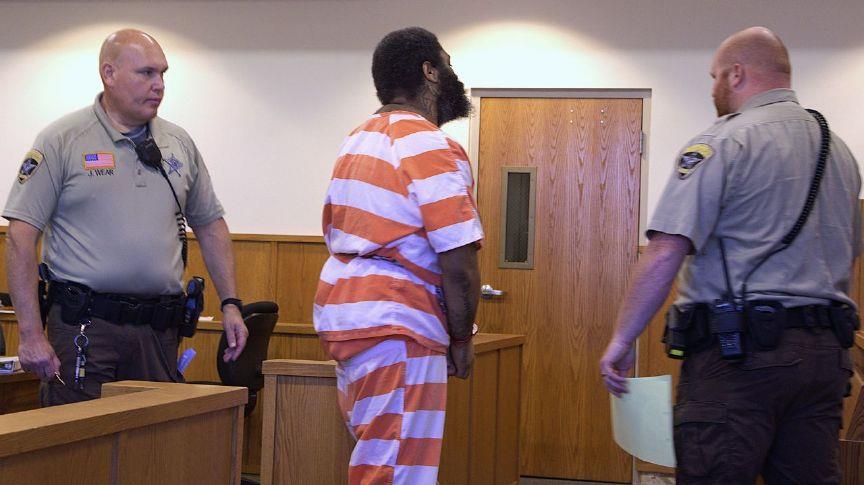
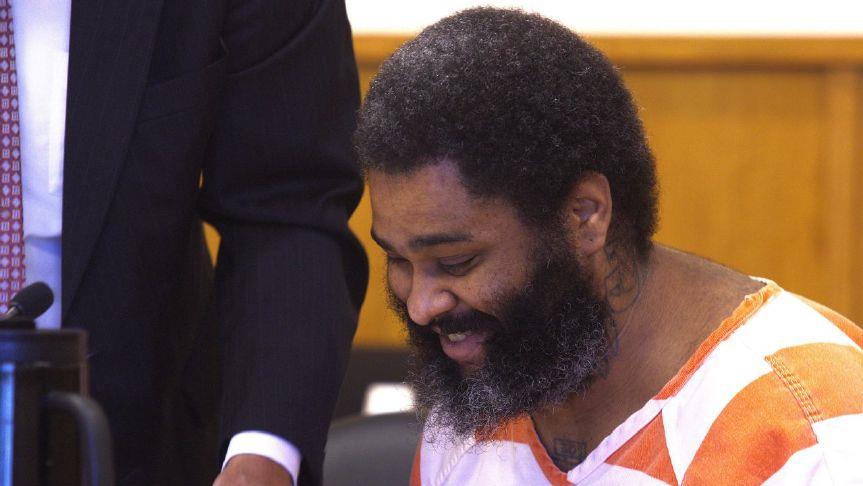
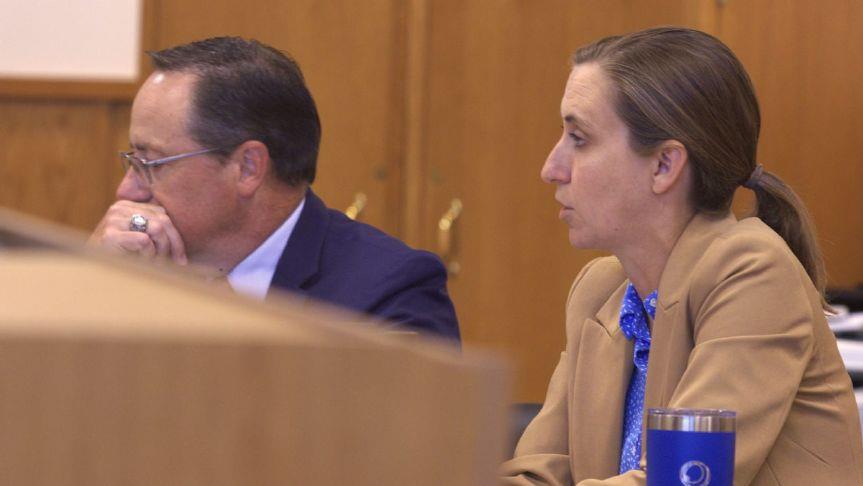






QUINCY — In a hearing that lasted about 30 minutes Friday, a Quincy man was led from the courtroom to begin a 30 year prison sentence for a February murder.
Stephen J. Mosley, 37, accepted a plea deal that will see him serve 100% of a 30 year sentence for the shooting death of Damien C. Gardner just after midnight on Feb. 17.
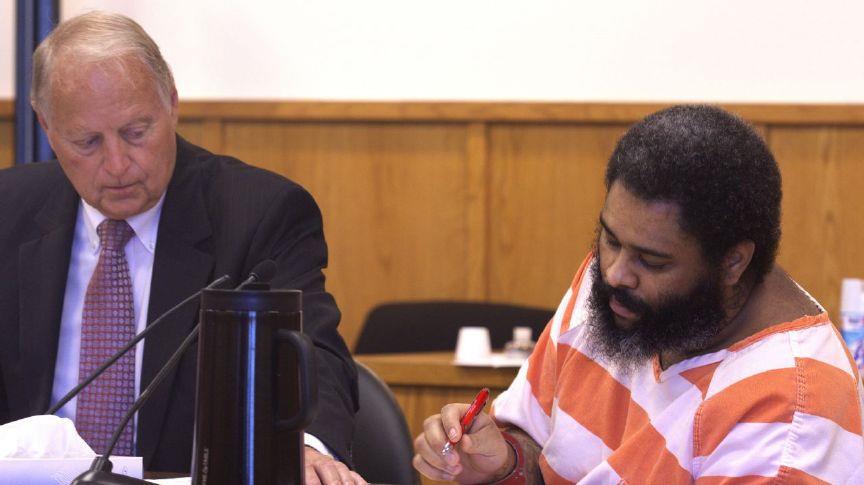
Even after entering his plea, Mosley still dodged accepting responsibility for Gardner’s death. During comments to the court prior to sentencing, called a statement of allocution, Mosley implied someone else pulled the trigger but that he was taking the fall because he’s not “a rat.”
“There’s a reason I didn’t have gunshot residue and she did,” Mosley said without clarifying who he was referring to.
During her victim impact statement, Gardner’s sister Kristina Zylstra said her family may never get the closure of why her brother was killed.
“I cannot accept that someone decided Damien’s life meant nothing,” she told the court.
Roxanna Zylstra, Gardner’s mother, struggled through understandable emotions to make her statement to the court through Zoom video chat.
“He was not just a name in a case file,” she said. “The murder of Damien has shattered our family.”
She said she hasn’t found a way to process what happened as a mother who wants “one more call, one more hug.”
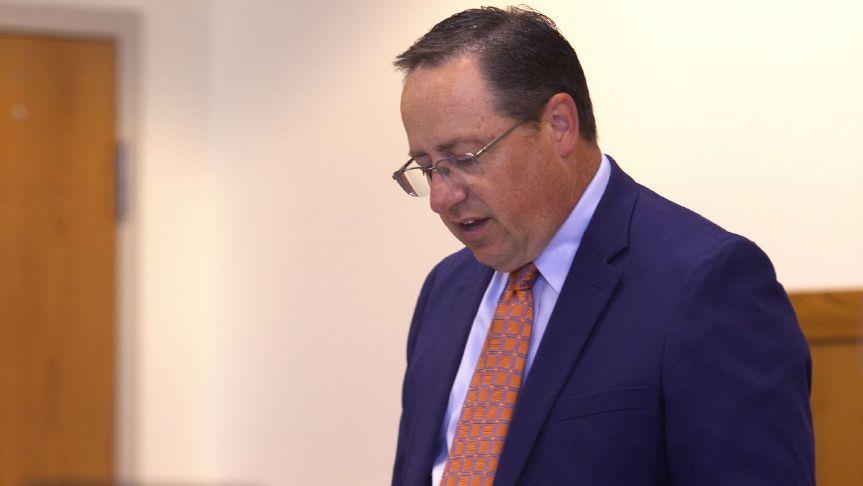
In his presentation of the facts of the case, Adams County State’s Attorney Todd Eyler told the court that two witnesses inside the North Sixth Street residence where the shooting happened said it was Mosley that shot Gardner.
Eyler also noted that two women facing related charges in the case, Shelby Wires and Kimberly Brown, could provide testimony that would have, in his opinion, led to jury conviction of the case had proceeded.
Both Wires and Brown have ongoing cases that include charges of aiding a fugitive when Mosley was found hiding in a residence they occupied, as well as obstruction for reportedly tossing Mosley’s cellphone into the river.
Eyler said the city’s automated license plate reader cameras put a motorcycle owned by Wires in the area of the river where the cellphone was recovered. He also said Brown told police investigators that she heard Mosley tell Wires “yeah, I popped him” in reference to Gardner.
One additional piece of evidence Eyler said would have been entered was a statement or testimony from a cellmate of Mosley’s in the Adams County Jail. The unidentified person told investigators that Mosley confided that “I smoked the dude,” referring to Gardner by his first name and that Gardner was shot three times by a .22 caliber gun.
Eyler said the number of gunshots and the caliber of handgun used had not been released publicly, so the cellmate wouldn’t have had that information otherwise.
When asked by the court if he accepted that the state could prove their case, defense attorney Andrew Schnack told the court that he accepted that evidence would have been presented. He noted for the record, however, that many of the state’s witnesses would be considered impeachable and had made prior inconsistent statements.
Schnack had told the court earlier this week that he was waiting on scheduling availability for a gunshot residue expert for an expected trial. On Friday he said the expert would have testified that no residue was found on Mosley.
Finally, he noted that when the information from the cellmate was shared with Mosley, that’s when Mosley decided to accept the plea deal.
One issue Schnack raised at the earlier hearing was that he felt the prosecution was in discussion with Wires on an agreement to secure her testimony. Following Friday’s plea and sentencing, Eyler said there was no deal made with Wires.
The cases against Wires and Brown are ongoing, with both women facing additional charges in unrelated cases as well as the obstruction and aiding charges connected to Mosley.
Under the terms of the plea deal, Mosley will get credit for 116 days that’s he’s been in jail since his arrest in February. Following the completion of 100% of his 30-year sentence, Mosley will be subject to three years of parole, what the state now calls mandatory supervised release.